
The Evolution of a Tear
The hidden history behind design details
One thing that really stuck with me from the talk was how a lot of design details we now read as “style” didn’t start there at all. They came from something real, a constraint, a problem, a need. That shift from function into aesthetic feels subtle, but once you notice it, it’s hard to unsee. It makes you question how much of what we call “design” today is actually just inherited logic that’s lost its original purpose.
The example of the Bugatti Type 35 dashboard made that really clear. The patterned metal surface wasn’t designed to look good, it was there to reduce glare and stop sunlight reflecting into the driver’s eyes. It solved a problem. But now, that same kind of texture shows up in products purely to signal quality or craftsmanship, like on high-end watches. The function has basically disappeared, but the visual language has stayed. And what’s interesting is we still read it as “premium,” even if we don’t know why.


It made me think about how often design holds onto these visual cues long after their purpose is gone. There’s almost a kind of inertia to it. Once something becomes associated with quality or performance, it sticks, even when it’s no longer doing anything. And as a designer, that feels slightly uncomfortable. Are we designing meaning, or just recycling it?
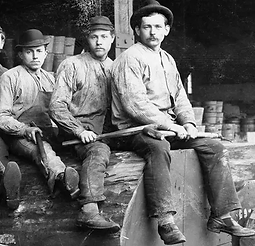
That’s where I started thinking about ripped jeans, especially from brands like Levi Strauss & Co. Now they’re obviously a fashion choice, controlled, manufactured, and sold as a look. But denim didn’t begin like that. In the 19th century, jeans were made for miners and labourers. They were built to last, to take damage. If they ripped, it wasn’t intentional, it meant they’d done their job.
Then, in the 1970s, during the Punk movement, that meaning flipped. Rips became deliberate. People started tearing their clothes as a form of protest, rejecting polished fashion and pushing back against mainstream culture. The same detail, a rip, went from being accidental to intentional, to expressive.
Now it’s landed somewhere completely different again. Ripped jeans are mainstream, predictable, even safe. They’re designed to look random, which is kind of ironic. What started as something honest, either through labour or rebellion, is now just another aesthetic option you can pick off a shelf.
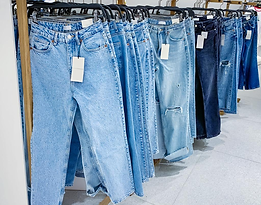
That shift is what I find most interesting. The physical detail hasn’t really changed, but its meaning has been completely rewritten over time. It makes me realise that design isn’t just about form or function, but about context, and how easily that context gets lost. As designers, we’re constantly referencing things that carry history, whether we realise it or not.
It definitely changes how I look at design decisions. Not in a way that makes me reject aesthetics, but it makes me more aware of them. There’s a difference between using a visual detail because it looks good and understanding why it looks good in the first place. And I think that awareness is where more intentional design starts.