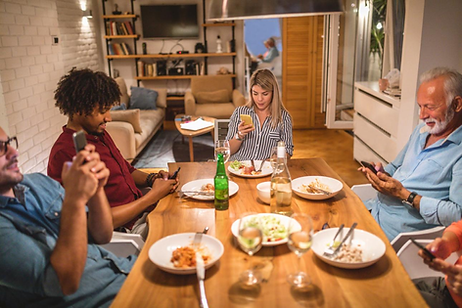
From People to Profiles
When identity becomes an interface
You know, technology has obviously changed how we communicate. But I think it’s gone further than that. It’s created this slightly strange kind of connection between people, where sometimes it doesn’t even feel like a connection anymore. It feels like an interpretation. Technology hasn’t just changed how we talk to people, it’s changed how we decide who someone is. And what’s more interesting, or maybe more concerning, is that this decision often happens before we’ve even met them.
I didn’t really grow up in a time without social media, so I can only compare through what I’ve been told and what I’ve noticed. Before, you’d meet people through where you were, school, work, mutual friends, just being out. Your first impression comes from body language, tone, the way someone speaks, and the moments you share. It built naturally and slowly. That process feels important. It still exists now, but it’s not always the starting point anymore.

Now, a lot of the time, you hear about someone, and the first thing you do is search for them. Instagram, LinkedIn, maybe TikTok. You see how they present themselves, what they post, what they say. And without really realising it, you start building a version of them in your head. You kind of meet the profile before the person. From a design perspective, it’s almost like we’re consuming a highly edited interface of someone’s identity, rather than experiencing the person directly.
That’s where the pre-judgement comes in. You start deciding things. Are they interesting? Successful? Someone I’d get along with? And all of that is based on curated content, highlight reels, and whatever the algorithm decides to show you. It’s a compressed version of someone’s identity. A person becomes photos, captions, and follower counts. I’ve caught myself doing it too, which is why I’m more aware of it now. It’s not really fair, because it removes everything that actually makes someone real.
I think this is where interaction has shifted. Before, it was about community, shared experience, and proximity. Now, there’s also validation, visibility, and this idea of personal branding. You’re not just interacting, you’re presenting. And that changes behaviour. It becomes slightly performative. Not always in a bad way, but enough that it doesn’t always feel fully genuine. The “interface” of a person starts to matter as much as the person themselves.

Then there’s the algorithm side of it. Platforms don’t just show people, they rank them. They filter who you see, what you see, and how often you see it. That starts shaping what we think is normal, what we think is valuable, even who we think is worth knowing. It raises a question I keep coming back to. Are we actually choosing people, or are we being shown whom to choose?
One of the more subtle effects is how we build narratives about people before meeting them. Real-life interaction then becomes more of a confirmation than a discovery. The mystery is reduced. That slow process of figuring someone out starts to disappear. We don’t really discover people in the same way anymore. We verify them. And even though that’s not always true, it definitely feels like a shift that’s happening.
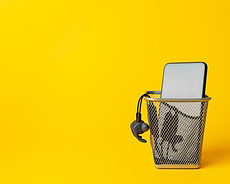
But at the same time, there’s a quiet shift happening in the other direction. People are trying to use their phones less. Turning off notifications. Wanting real conversations again. I’ve done it myself because I don’t want my phone constantly pulling my attention. It feels like a small but intentional rejection of that always-on digital layer.
I think you see it more in younger generations as well. There’s more of a shift towards spending on experiences instead of just things. Travelling, festivals, food, shared moments. It feels like less focus on owning and more on experiencing. Almost like a reaction. If so much of life is digital, then real life starts to feel more valuable.
Technology has connected us globally, which is amazing. You can speak to someone across the world instantly, see their face, and have a real conversation. That’s something that still feels incredible. But at the same time, it makes physical connection feel rarer. And because of that, experiences, attention, and presence start to feel scarce. And like most things, when something becomes scarce, it becomes more valuable.
I keep coming back to this. When did meeting someone start happening before the meeting? And who are we actually interacting with, the person, or their projection? Maybe this isn’t just about technology changing us. Maybe it’s about how we’ve adapted to it. We adjusted to the digital world, but now it feels like we’re slowly trying to rebalance it.